


Let’s be honest—most retail today is predictable. Scroll, click, repeat. You can shop a dozen sites and barely notice the difference. Clean grids. Filter by size. Add to cart. Sure, it’s efficient. But is it fun?
Meanwhile, secondhand is quietly stealing the show—and not just because it’s cheaper or more sustainable. It's because you never know what you’re going to find.
That uncertainty? That little jolt of “what if?” every time you refresh a page or walk into a resale shop? That’s what makes secondhand feel like a game—and it’s why it keeps winning.
We’ve come to associate secondhand with values like affordability, sustainability, or circularity. But there’s another force powering its rise: novelty. Not manufactured trend drops or artificial scarcity, but real-time inventory rotation. New (to you) pieces every day. Constant change. A story waiting to be uncovered. In a world where sameness is the default, resale keeps us curious.
Let’s zoom out for a second. Behavioral economists and UX experts call this “variable reward.” The same mechanic that makes you refresh Instagram or keep checking email. The outcome isn’t guaranteed—but when the payoff hits, it feels big.
Secondhand taps into this in a beautifully human way. It’s shopping as surprise, not obligation. The thrill of the find isn’t just about price—it’s about identity. You didn’t just buy a blazer. You found it. It found you.
And the best part? This emotional stickiness doesn’t require 12 new product drops a year or a warehouse full of inventory. It just requires giving people a reason to explore.
Brands—especially those feeling the fatigue of DTC sameness—could take a note from the resale playbook. Stop trying to out-algorithm fast fashion. Instead, focus on discovery. Give people a reason to look again. Maybe that’s a limited run of archive styles. Maybe it’s a collab that drops without warning. Maybe it’s tapping into resale itself (more on that in a moment).
The point is: don’t underestimate the power of surprise. Predictability might drive conversion, but it doesn’t build love.
So what does this mean for brands—and for shoppers?
For brands: Resale isn’t just a clearance channel or sustainability side quest. It’s a retention strategy. It builds loyalty through engagement, not repetition. Stores like Crossroads or The RealReal see consistent foot traffic because the inventory constantly changes. There’s always something new to discover—even if it’s not new-new.
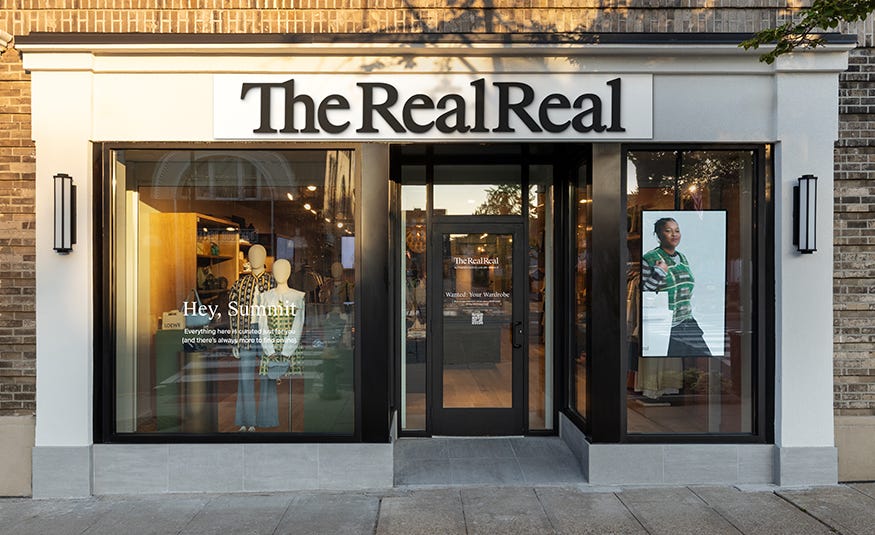
In other words, secondhand doesn’t just stretch your budget. It stretches the life of your brand story.
At Beni, we’re helping unlock that magic. We've built the AI layer that turns messy resale data into something actually shoppable. Think: searching by style, by image, by vibe—not just by SKU. We connect millions of listings across marketplaces and make it easy to find the things that feel like you. It's the first time secondhand feels as seamless and satisfying as shopping new.
For shoppers: This isn’t about becoming a thrift-flipper or living in Depop DMs. It’s about leaning into a more joyful, more intentional way to build a wardrobe you love. One that invites you to play. Because style should spark something. And a little mystery makes getting dressed feel like a small adventure.
Resale already has what most brands are desperate to build: community, conversation, emotional connection. It’s not transactional—it’s relational. And thanks to the infrastructure we’re building at Beni, it’s finally becoming accessible at scale.
We believe the future of fashion isn’t just less waste—it’s more wonder. And the brands that learn to surprise us, to delight us, to keep us coming back? They’re the ones who’ll win.
Comment below:
What brands are doing this the best right now?
Who is delivering a delightful experience?
What stores do you frequent the most?
I love the thrill and discovery of secondhand treasure hunts! It is also no surprise that many clothing designers find inspiration from thrifting, vintage and flea markets… there is such rich history and magic in preloved clothing that was made and cared for in a way to stand the test of time.
Some brands that have embraced the secondhand resale market on their websites successfully : Levi’s Secondhand, Patagonia Worn Wear, Doen (“Hand me Doen”).
I’ve also found Pinterest to be a really fun and interesting way to explore fashion ideas and styling, whether it be for a certain fit, color, or vibe. It would be so awesome to see Pinterest incorporate preloved items into their shopping suggestions!
Love to hear how play and surprise are key ingredients to “the treasure hunt economy”. Also fun fact… surprise is an emotional multiplier (good-> great or bad -> terrible)