

How to Make Your Clothes Fit and Feel Their Best
From small tailoring tweaks to smarter storage, here’s how to get more comfort, confidence, and longevity from the wardrobe you already have.

You don’t need a brand-new wardrobe to feel better in your clothes. Sometimes a slight hem, a re-pressed seam, or the right pair of shoes is all it takes to turn “almost right” into exactly right.
If your closet is full of pieces that are fine but not quite right, you’re not alone. Most clothes aren’t made to fit one specific body or lifestyle. But with a little strategy (and a few affordable tweaks), it’s possible to make what you already own feel better, look sharper, and last longer.
This guide walks you through how to get more out of the clothes you already have—from tailoring basics to styling adjustments to easy fixes that actually work.
Step 1: Fit First: Start with the Obvious Fixes
If something feels off when you put it on, it’s usually a fit issue, not a style one. And the fix might be easier than you think.
Ask yourself:
Is it too long, too short, or just off-proportion?
Are the sleeves, waistband, or bust pulling or gapping?
Does it feel bulky, saggy, or tight where it shouldn’t?
Am I comfortable? Can I walk, stand, bend over, and sit down without needing to make adjustments?
Many of these issues are tailorable.
Common Low-Cost Tailoring Fixes:
Pants too long? Hem them. (Even a 1" difference can change how polished they look.)
Waist too big? A simple taper or dart can bring structure back.
Jacket or shirt too boxy? Take in the sides or sleeves.
Dress or top gaping? Take it in.
Dress feels dated? Shorten the hem, remove sleeves, or belt it differently.
Sadly, not everything can be tailored. This is a common problem with clothes that are too tight. Many pants, tops, and dresses come with seam allowance that a tailor can use to give you ½ inch of space, depending on the garment. Beyond that, it can be expensive to impossible to tailor a piece that’s too small.
The bottom line: If you love a piece but it doesn’t fit quite right, It’s always worth taking it to a tailor to see what they can do.
Step 2: Use Styling Tweaks to Balance Proportions
When tailoring isn’t an option or isn’t the issue, styling adjustments can make a major difference.
Try these tweaks:
Half-tucking a shirt to break up volume
Rolling cuffs or sleeves to highlight shape or skin
Layering strategically to smooth lines or shift focal points
Using belts or knots to define your waist, especially on oversized pieces
Adjusting shoe choice to change silhouette balance (chunky sneakers vs. low-profile boots = totally different look)
Not sure where to start? A simple unlock can be to try styling the piece with an item you love but you’ve never worn it with before. Ex: try the cute silk top with your favorite work pants, or the mini skirt with your go-to t-shirt. Try adjusting or tweaking one of the items to make it work.
Step 3: Get Comfortable With DIY Adjustments
If you’re up for a little hands-on work, some of the most satisfying fit tweaks are also the simplest:
Iron-on hem tape can shorten pants or sleeves without sewing
Fabric shavers remove pills and make knits look brand new
Elastic waistband replacements can rescue otherwise perfect skirts or pants
Shoulder pad removal (with a seam ripper) can modernize old blazers instantly
Dyeing faded black or navy items with at-home dye kits can refresh staples on the cheap
Don’t overcomplicate it; just take one piece at a time. You might surprise yourself and transform a closet dud into your next go-to with a minor transformation.
Step 4: Store Clothes the Way You Want to Wear Them
Fabric responds to how it’s stored. Ever reached for a piece that’s been hanging weirdly for six months and felt like it lost its shape? You’re not imagining it. Take these simple steps to make your clothes fit and feel their best.
Fold heavy sweaters and knits to prevent stretching
Hang structured pieces with shaped hangers to keep their lines
Stuff bags and boots with paper or cloth to help them hold form
Hang natural fibers like linen and silk that are prone to wrinkling
Use garment bags for delicate fabrics (especially silk, wool, or vintage)
Rotate seasonally so things get aired out and reevaluated regularly
A closet that respects your clothes helps you do the same.
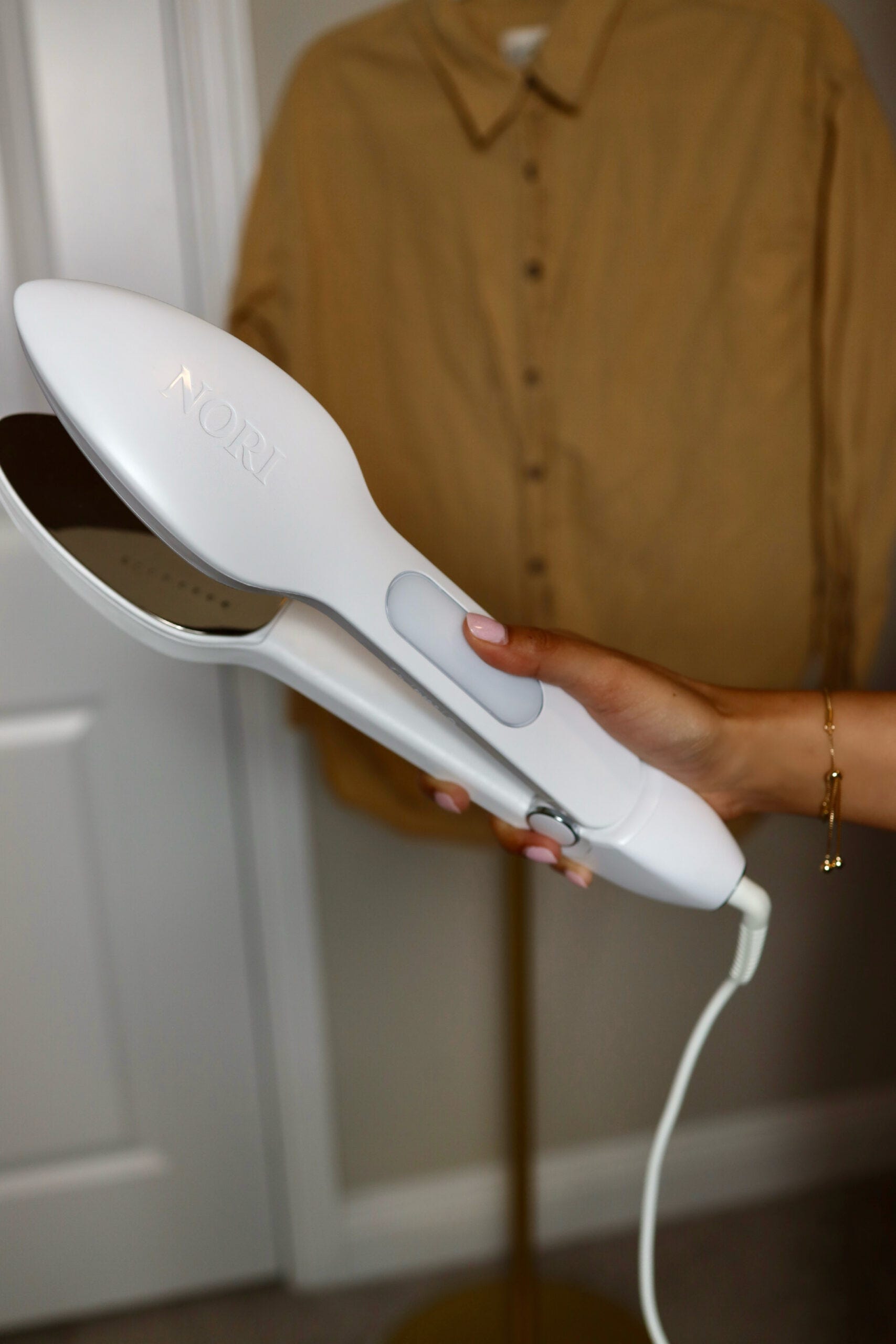
Step 5: Don’t Underestimate Ironing, Steaming, or Pressing
Wrinkles can sabotage even your best pieces. A freshly steamed dress or crisp shirt immediately feels elevated, even if it cost $12 at a thrift store.
Don’t have an iron? This is your sign to get one; no closet is complete without it! You can pick up a budget iron at most stores or online, but higher quality irons don’t have to be much more expensive and they’ll pay dividends in getting satisfyingly crisp lines.
Steamers are ideal for knits, silks, and quick refreshes
Irons offer more structure for cotton, linen, or pants with pleats
Pressing cloths protect delicate items from heat damage
Fabric sprays can help reduce odor and reset the drape between washes
You don’t need to iron everything. But knowing when and what to press can transform how something feels on your body.
Fit, Care, and Intention Matter More Than Newness
The clothes you already own are full of potential. When you learn how to tweak, tailor, and care for them intentionally, you stop needing more and start loving what’s already there.
You don’t have to settle for “good enough.” Most of the time, a small shift in how an item is hemmed, worn, or stored is all it takes to make something truly yours.