


Does this sound familiar? You try to be thoughtful about the clothes you buy. You even like a lot of your clothes. But when you go to get dressed in the morning you feel paralyzed, thinking to yourself again, “how do I not have anything to wear?”
That feeling can lead you right back to shopping more: surely you’re just missing some key pieces and if you just fill that gap, you’ll always have the perfect outfit to wear. But the reality is that most of us need less clothes, not more. A wardrobe packed with “meh” pieces and unworn “maybes” makes getting dressed harder, not easier. The answer to that paralysis with style and getting dressed is often to strip away the clothes that are getting in your way.
Maybe you’ve tried a closet cleanout before and found yourself sitting on the floor, surrounded by half-folded piles, unsure whether that blazer “might come back around.” The process can be anything but simple. That’s why we’ve provided this guide.
The goal of this closet cleanout guide isn’t minimalism. It’s not about rules, aesthetic extremes, or hitting some mythical capsule number. It’s about functionality. Alignment. Learning to read your closet like a story, and edit it with intention.
Whether you’re making space, shifting seasons, or rethinking your style altogether, this is a step-by-step framework that helps you clean out your closet and move forward—smarter.
Step 1: Begin With Intention, Not Urgency
Too often, we clean out our closets in a reactive mood—fed up, frustrated, or fueled by the desire to “finally get organized.” But effective edits come from clarity, not haste.
So before you start pulling hangers, pause. Ask yourself: Why now? Maybe you’re about to transition into a new job or stage of life. Maybe your current wardrobe doesn’t reflect how you want to show up anymore. Or maybe you’re just tired of seeing pieces you never reach for.
Take a couple minutes to journal and define your goals for the closet cleanout before you even begin. Your “why” doesn’t have to be profound, but it should be personal. When you know what you want more of—ease, confidence, cohesion—it becomes easier to decide what no longer supports that.
Step 2: Pull It All Out (Yes, All of It)
There’s a reason the full reset works. When everything stays hanging in place, you’re more likely to gloss over familiar pieces or rationalize old decisions. Taking everything out onto a bed or the floor forces a reset. It shifts you from passive browsing to active assessment.
Sort items into 6 clear buckets that align with next steps:
Keep: You wear it regularly. It fits well. It aligns with your current style or goals.
Tailor or Upcycle: You like the piece but something’s off (e.g., length, waist fit, sleeves).
Mend: A button is missing, stitching is coming undone, or it needs a minor fix to be wearable again.
Donate or Resell: Still in good condition, but you’re not wearing it and probably won’t.
Let Go Responsibly: It’s damaged beyond repair, synthetic-heavy and pilled, or truly worn out.
Maybe: We’ll get into this in a moment, but these are the pieces you don’t wear regularly but something stops you from letting them go.
Pro tip: Lay out a donation bag, a tailoring pile, and a mending station in advance. You’re less likely to procrastinate later.
You don’t need to finish the entire closet in one sitting. You can do one category, one drawer, or one season at a time. But commit to a rhythm: remove, assess, decide, and move forward.
Step 3: Try On Your Maybes
This step is another reason not to rush the process- trying things on is time consuming, but is absolutely worth it. That skirt you haven’t worn in two years might still look great… or it might explain itself the moment you zip it up. Real-time fit, feel, and function tell you more than any memory or aspiration.
When you try on a maybe, move around in it. Sit, stretch, reach. Does this piece just fit, or does it fit well? Does it complement your current body, style, and lifestyle—or are you trying to convince yourself it will, eventually?
If the item looks and fits well but you haven’t worn it in a while, try styling it with a few outfit options. You might find an outfit combination you’ve never thought of before, a new go-to! Or you might find that the item simply doesn’t match with the rest of your wardrobe.
Even if it fits your body, it needs to fit your life. Example: You try on a midi skirt you’ve owned for years. It technically fits, but you realize it doesn’t pair well with any of your go-to shoes or tops. That’s not a styling problem; it’s a signal that the piece may no longer align with your wardrobe.
Pro-tip: take time to iron or steam wrinkled clothes before trying them on, and don’t hesitate to try them on with a full outfit including shoes and accessories. This can make the whole difference in deciding whether the item is a keeper.
Step 4: Ask the Right Questions
Our closets are full of stories. Some clothes represent who we were. Others reflect who we thought we’d be. And some are just reminders of a discount too good to pass up.
To cut through the noise, ask practical questions:
Have I worn this in the last 6–12 months?
Would I buy this again today?
If I saw this in a store or listing now, would I feel excited to grab it?
Does it go with at least three things I already own?
If I could resell this and recoup the full cost I paid for it, would I? Or do I genuinely want to keep it?
Am I holding onto it out of guilt, or because it genuinely adds value?
These questions are designed to clarify, not shame. If your answer leaves you pausing or hedging, that’s often your answer.
Step 5: Move Clothes Forward (Not Just “Out”)
The power of this process lies in what happens next. What you release still holds value. Handle your outflow intentionally:
Donate thoughtfully: Prioritize clean, wearable items. Look for local shelters or nonprofits with clothing needs, not just general donation bins.
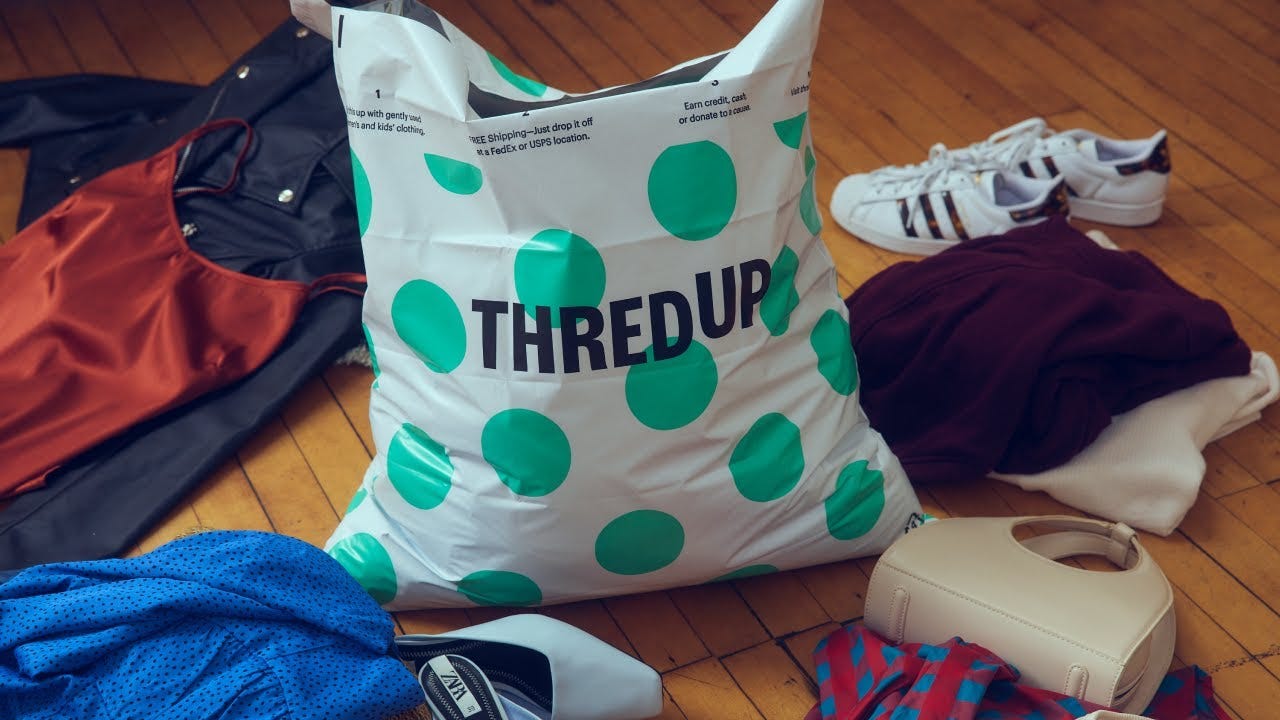
Resell smartly: Use platforms like Poshmark, Depop, or ThredUp for items in great condition. Consider consignment for mid-range or designer pieces.
Recycle responsibly: For worn-out garments, look into textile recycling options. Brands like Trashie offer mail-in programs. Some cities have local drop-offs.
Repair before you replace: That missing button or loose seam might cost $0.50 and five minutes to fix, but save you from replacing a favorite.
Find a local tailor: It will take some upfront time, but building a relationship with a tailor will pay dividends, expanding your options to buy items and have them tailored to fit your unique body.
Step 6: Learn From What’s Left
After the cleanout, what remains becomes your blueprint. These are your most functional, loved, or frequently worn items. Look for patterns. Are you gravitating toward soft neutrals? Crisp tailoring? Breathable natural fabrics?
The clothes you choose to keep tell you more than any Pinterest board could. Use those insights to shape future purchases, especially secondhand. They’ll help you shop smarter, avoid impulse buys, and fill actual gaps instead of imagined ones.
Bonus Step 7: Strategies If You’re Nervous to Say Goodbye
Trust us, we’ve been there. You want your closet cleanout to activate a meaningful shift for your style and closet. But you find yourself with an enormous pile of “maybes” and for one reason or another, you have a hard time saying goodbye. And that’s normal! There’s a myriad of reasons that could make you reluctant to move on. Maybe the item fits you perfectly, you just never reach for it. Maybe you spent a lot of money on it. Maybe it was passed down from a friend or family member and has sentimental value.
There are some surprisingly effective ways to work around your hesitations and still make a significant change in your closet.
Set aside the “maybes” for a few months.
It can be hard to donate or sell an item when your heart is telling you “this might come in handy! I might want it back!” Put that feeling to the test and store all of your “maybes” in a box or bag. You can put it at the back of your closet or in storage, somewhere you have access to but won’t see every day. If you’ve selected your “maybes” well, this shouldn’t cause any inconvenience- they aren’t items you reach for regularly.
Now this is where the magic happens: your “maybes” are out of sight, out of mind. You probably won’t reach for that box many times. Set a reminder for yourself to revisit the box in a few months (many people forget about it entirely!) As you go through that box, you might be surprised to have completely forgotten some of the items you had in there. Go back to step 2 and resort the items, with the layered knowledge that you went several months without ever needing or wanting the items inside.
Wardrobe within a wardrobe
To solve the problem of getting dressed in the morning, try this: go through your “keep” pile and pick your absolute favorite pieces, the ones you reach for again and again and feel your best in. There’s no rules here- it could be 5 tops or 20; 8 pairs of pants or none if you prefer dresses.
Set these pieces in a special part of your closet along with your favorite accessories and shoes (not all of us have walk-in closets! It works to just group all these pieces in one drawer or on the far end of your rack so they’re next to each other.)
Influencers online might have told you how to build a “capsule wardrobe” with an ideal set of tops, pants, shoes, and jackets that all go together. This concept can be alienating if you love variety, don’t want to wear the same thing every day, or if you don’t already have the perfect white button down and striped cardigan in the example capsule wardrobe.
But what you’ve just done through this simple exercise is built your own capsule wardrobe, perfectly customized to you with the pieces you already love and reach for. For the next two weeks when you get dressed, don’t even look at the rest of your closet. Just reach for the “capsule” section of your favorites. This exercise will eliminate decision fatigue of searching through your entire closet, but it will also inspire you to try new combinations of your favorite items and help you refine your personal style.
One Last Thought: Your Closet Is a Living System
Your wardrobe will never be perfect, and it doesn’t need to be. As your body, jobs, career, and personal style all evolve and change, you can expect your wardrobe to continue evolving along with you.
But your wardrobe should do two things. First, it should reflect who you are now, not just who you were or who you think you should be. Yes, there’s a place for the nostalgic dress you wore on your first date or an aspirational jacket you love but aren’t brave enough to wear yet. But the majority of your closet should reflect what you actually like wearing and feel comfortable in.
Secondly, your closet needs to be functional. Your closet should fit you well and look great on you, enabling you to be comfortable throughout the day. There’s no place for dozens of pieces that don’t fit or don’t look good anymore, no matter how much you love them.
A well-edited closet helps you dress with more ease, buy with more intention, and get more wear out of what you already own. You don’t need to toss half your wardrobe to feel that difference. Just start with what no longer earns its place, and build intentionally from what does.